

Gerontology
Overview
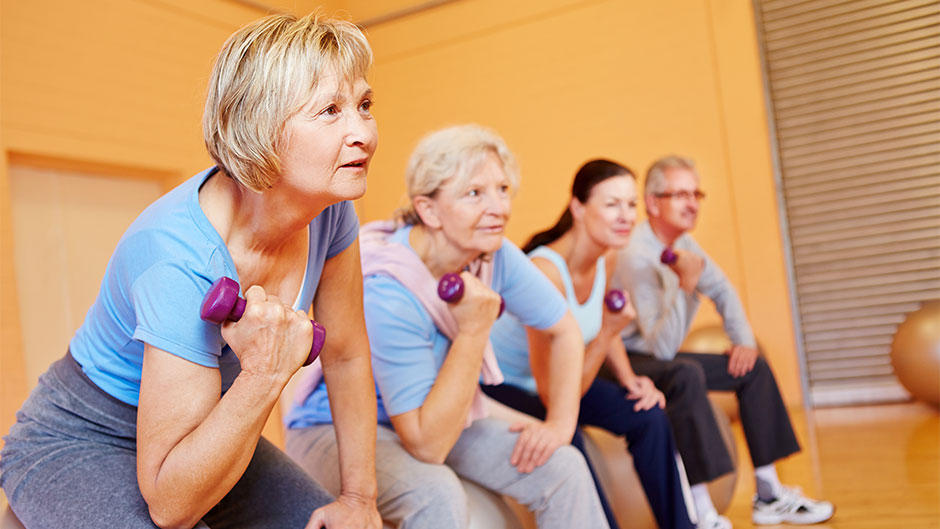
The Gerontology program at Sacramento City College will provide students with an overview of the biological, physiological, psychological, and sociological factors involved in aging. Students will be able to apply this knowledge within a variety of careers to better serve and care for our aging population. Students who are planning to continue their study in gerontology by transferring to a four-year college should consult the “Requirements for Transfer Institutions” section of this catalog. Consultation with a Sacramento City College counselor is also advised.
100% Online Degree and Certificate Available
 The Gerontology A.S. degree and certificate can be completed 100% online!
Not every class will be offered online every semester, but you can complete the degree in 2 years enrolling only in online courses.
Sample Salary
Gerontologist, with Bachelors or higher degree, entry to mid-level: $189,000.
Program Maps
A.A./A.S. Degrees
Certificates
- Dean Paulette Lopez
- Program Lead Jessica Coppola Ph.D
- Meta Major People and Society
- Program Details Gerontology Program Details
- Phone (530) 747-5219
- Email Coppolj@scc.losrios.edu
Associate Degree
A.S. in Gerontology
The Gerontology program at Sacramento City College will provide students with an overview of the biological, physiological, psychological, and sociological factors involved in aging. Students will be able to apply this knowledge within a variety of careers to better serve and care for our aging population.
Students who are planning to continue their study in gerontology by transferring to a four-year college should consult the "Requirements for Transfer Institutions" section of this catalog. Consultation with a Sacramento City College counselor is also advised.
Catalog Date: August 1, 2026
Degree Requirements
| Course Code | Course Title | Units |
|---|---|---|
| GERON 300 | Sociology of Aging (3) | 3 |
| or SOC 335 | Sociology of Aging (3) | |
| GERON 301 | The Biology and Physiology of Aging | 3 |
| GERON 302 | Psychology of Aging: Adult Development and Aging (3) | 3 |
| or PSYC 374 | Psychology of Aging: Adult Development and Aging (3) | |
| or EDUC 300 | Human Development: A Life Span (3) | |
| or PSYC 370 | Human Development: A Life Span (3) | |
| NUTRI 300 | Nutrition (3) | 3 |
| or NUTRI 480 | Nutrition Honors (3) | |
| PSYC 390 | Psychology of Death and Dying | 3 |
| A minimum of 3 units from the following: | 31 | |
| WEXP 498 | Work Experience in (Subject) (0.5 - 4) | |
| Total Units: | 18 | |
1The work experience placement must be working with elders in some capacity.
The Gerontology Associate in Science (A.S.) degree may be obtained by completion of the required program, and either (a) the Local General Education Pattern or (b) the California General Education Transfer Curriculum (Cal-GETC), plus sufficient electives for a total of at least 60 units. See SCC graduation requirements.
Student Learning Outcomes
Upon completion of this program, the student will be able to:
- demonstrate skill, ease, confidence, rapport, and listening skills when communicating with the elderly at different cognitive levels.
- evaluate and discuss similarities and differences surrounding diverse aging populations as they relate to life expectancy, mortality, mobility, family, work, retirement, mental health, death, lifestyles, sexuality, and use of services.
- discuss the impact of language and other cultural factors that influence drug education, drug use, and treatment options with the elderly.
- evaluate common methods of care for the dying including hospitals, skilled nursing facilities, and hospice care.
- recognize and identify risk of caregiver stress and strategies to help.
- identify and evaluate elder abuse causes, prevention strategies, and resources.
- identify strategies for meeting the challenges of aging within a sociocultural framework.
- recognize and evaluate demographic, socioeconomic, legal, and physiologic aspects of aging.
- develop practical workplace skills and knowledge needed for employment.
Career Information
As our population ages, almost every industry is serving the growing population of older adults. Research has demonstrated that, regardless of career path, having training in gerontology is beneficial for those seeking employment. Some possible career opportunities may include but are not limited to: Care/Case Aide, Registry Coordinator, Volunteer Services, Elder Care Provider, Program Aide or Assistant, Geriatric Aide or Assistant, Home Care Specialist, Home Health Aide, Intergenerational Care Provider, and Professional Caregiver.
Certificates of Achievement
Gerontology Certificate
The Gerontology Program will prepare students to manage the health, psychological, and social needs of the elderly population. The need for specialization in gerontology is clearly shown in population trends and documented in literature citing the lack of adequately prepared geriatric caregivers.
Students who are planning to continue their studies in gerontology by transferring to a four-year college should consult the "requirements for transfer institutions" section of this catalog. Consultation with a Sacramento City College counselor is also advised.
Catalog Date: August 1, 2026
Certificate Requirements
| Course Code | Course Title | Units |
|---|---|---|
| GERON 300 | Sociology of Aging (3) | 3 |
| or SOC 335 | Sociology of Aging (3) | |
| GERON 301 | The Biology and Physiology of Aging | 3 |
| GERON 302 | Psychology of Aging: Adult Development and Aging (3) | 3 |
| or PSYC 374 | Psychology of Aging: Adult Development and Aging (3) | |
| or EDUC 300 | Human Development: A Life Span (3) | |
| or PSYC 370 | Human Development: A Life Span (3) | |
| NUTRI 300 | Nutrition (3) | 3 |
| or NUTRI 480 | Nutrition Honors (3) | |
| PSYC 390 | Psychology of Death and Dying | 3 |
| A minimum of 3 units from the following: | 31 | |
| WEXP 498 | Work Experience in (Subject) (0.5 - 4) | |
| Total Units: | 18 | |
1The work experience placement must be working with elders in some capacity.
Student Learning Outcomes
Upon completion of this program, the student will be able to:
- demonstrate skill, ease, confidence, rapport, and listening skills when communicating with the elderly at different cognitive levels.
- evaluate and discuss similarities and differences surrounding diverse aging populations as they relate to life expectancy, mortality, mobility, family, work, retirement, mental health, death, lifestyles, sexuality, and use of services.
- discuss the impact of language and other cultural factors that influence drug education, drug use, and treatment options with the elderly.
- evaluate common methods of care for the dying including hospitals, skilled nursing facilities, and hospice care.
- recognize and identify risk of caregiver stress and strategies to help.
- identify and evaluate elder abuse causes, prevention strategies, and resources.
- identify strategies for meeting the challenges of aging within a sociocultural framework.
- recognize and evaluate demographic, socioeconomic, legal, and physiologic aspects of aging.
- develop practical workplace skills and knowledge needed for employment.
Career Information
As our population ages, almost every industry is serving the growing population of older adults. Research has demonstrated that, regardless of career path, having training in gerontology is beneficial for those seeking employment. Some possible career opportunities may include but are not limited to: Care/Case Aide, Registry Coordinator, Volunteer Services, Elder Care Provider, Program Aide or Assistant, Geriatric Aide or Assistant, Home Care Specialist, Home Health Aide, Intergenerational Care Provider, and Professional Caregiver.
Gerontology Level 2 (Intermediate) Certificate
This "Gerontology Level 2 (Intermediate)" certificate builds upon the level 1 certificate and encourages the student to continue on to the full Gerontology Certificate of Achievement and/or Associate’s Degree in Gerontology. This certificate includes the 6 units from level 1 (Gerontology 300 + Gerontology 498) plus a Psychology of Aging (3 units) and a Death and Dying course (3 units) for a total of 12 units. This level 2 certificate will deepen the student's knowledge and understanding of Gerontology and allow them to display their knowledge and experience when applying for jobs.
Catalog Date: August 1, 2026
Certificate Requirements
| Course Code | Course Title | Units |
|---|---|---|
| GERON 300 | Sociology of Aging (3) | 3 |
| or SOC 335 | Sociology of Aging (3) | |
| GERON 302 | Psychology of Aging: Adult Development and Aging (3) | 3 |
| or PSYC 374 | Psychology of Aging: Adult Development and Aging (3) | |
| PSYC 390 | Psychology of Death and Dying | 3 |
| WEXP 498 | Work Experience in (Subject) | 0.5 -41 |
| Total Units: | 9.5 - 13 |
1The work experience placement must be working with elders in some capacity.
Student Learning Outcomes
Upon completion of this program, the student will be able to:
- evaluate thanatology as an interdisciplinary subject with psychological, spiritual, philosophical social, cultural, and historical aspects of death and dying.
- analyze the values of different cohorts and how those values impact the aging experience.
- compile a diversity of resources, local and otherwise, available to support successful aging.
- explain normal age related changes and how they are influenced by lifestyle.
Career Information
Labor market analysis has revealed that jobs/careers working with elders are increasing rapidly and that we, at the California community colleges, need to be notifying students of these trends so they can fill future positions. In addition, we learned that experience in Gerontology is valued in most every career path. For example, gymnasiums, hiring personal trainers, are now seeking to hire individuals who have a desire to work with elders. Some specific careers include: Advocate, Caseworker, Community Coordinator, Family Support Worker, Home Based Assistant, Program Specialist, Outreach Specialist, Social Services Assistant, Social Work Associate, and Human Service Assistant.
Certificate
Gerontology Level 1 (Beginning) Certificate
This Gerontology Level 1 (Beginning) certificate is the first of a 3-level stackable certificate program which will encourage the student to continue on to the full Gerontology Certificate of Achievement and/or Associate’s Degree in Gerontology. This certificate includes a Sociology of Aging course and 0.5-4.0 units of work experience in a setting where the student will gain experience working with elders. This certificate will help expose students to the rewards of serving the needs of elders and allow them to display this knowledge and experience when applying for jobs.
Catalog Date: August 1, 2026
Certificate Requirements
| Course Code | Course Title | Units |
|---|---|---|
| GERON 300 | Sociology of Aging (3) | 3 |
| or SOC 335 | Sociology of Aging (3) | |
| WEXP 498 | Work Experience in (Subject) | 0.5 -41 |
| Total Units: | 3.5 - 7 |
1The work experience placement must be working with elders in some capacity.
Student Learning Outcomes
Upon completion of this program, the student will be able to:
- describe the field of social gerontology and population trends in the U.S. and worldwide.
- analyze and interpret the diversity of social experiences for older adults using a sociological perspective, especially in relation to race, class, gender, age, sexual orientation, religion, and ethnicity.
- apply academic knowledge in Gerontology through the application of a structured, supervised, and on-the-job experience.
Career Information
Labor market analysis has revealed that jobs/careers working with elders are increasing rapidly and that we, at the California community colleges, need to be notifying students of these trends so they can fill future positions. In addition, we learned that experience in Gerontology is valued in most every career path. For example, gymnasiums, hiring personal trainers, are now seeking to hire individuals who have a desire to work with elders. Some specific careers include the following: Advocate, Caseworker, Community Coordinator, Family Support Worker, Home Based Assistant, Program Specialist, Outreach Specialist, Social Services Assistant, Social Work Associate, and Human Service Assistant.
Gerontology (GERON) Courses
GERON 300 Sociology of Aging
- Same As:SOC 335
- Units:3
- Hours:54 hours LEC
- Prerequisite:None.
- Advisory:ENGL C1000 or ESLW 340 with a grade of "C" or better; EDUC 300 or PSYC 370; and LIBR 318 with grades of "C" or better.
- Transferable:CSU; UC
- General Education:Local GE L4; Local GE L7B; Cal-GETC Area 4
- Catalog Date:August 1, 2026
In this course students will examine the aging process with emphasis on social factors affecting and affected by an aging population. The course includes an analysis of demographics, history of aging in America, social conditions, resources and support systems, employment, retirement, social class, and cultural differences. Students will be encouraged to reflect on their status in the sociology of aging process. (Credit awarded for GERON 300 or SOC 335.)
Student Learning Outcomes
Upon completion of this course, the student will be able to:
- describe the field of social gerontology and population trends in the U.S. and worldwide.
- identify historical and cross-cultural issues in aging.
- identify cognitive changes that occur as one ages, including personality and mental health.
- analyze the significance of love, intimacy, and sexuality in later life.
- contrast social theories of aging including social supports and intergenerational relationships.
- predict special needs in living arrangements as one ages.
- assess the significance of paid and unpaid roles in later life.
- develop an awareness of social policies and issues that may have an impact on oneself (the student) as one grows through the process of aging.
- identify special concerns of ethnic minorities and older women.
- describe the process of dealing with death and bereavement- physically, cognitively, and emotionally.
- cite biological theories regarding physiological changes with age.
GERON 301 The Biology and Physiology of Aging
- Units:3
- Hours:54 hours LEC
- Prerequisite:None.
- Transferable:CSU; UC
- General Education:Local GE L5; Local GE L7B
- Catalog Date:August 1, 2026
This course provides a broad examination of the biological principles that cause aging and age-related disease. Concepts covered in this course include the following: how the rate of biological aging is measured, what mechanisms underlie cellular aging, genetic pathways that affect longevity in various organisms, and consideration of the implications of modulating the rate of aging and longevity. This course is intended for college students in a variety of majors.
Student Learning Outcomes
Upon completion of this course, the student will be able to:
- describe the basic concepts in the biology of aging.
- evaluate the tools and techniques available for measuring biological aging.
- describe cellular aging and how that differs from organismal aging.
- describe the factors that influence aging, health during aging, and longevity.
- analyze the diseases associated with aging and their most common causes.
- discuss possibilities for the future of biogerontology and aging.
- describe the concepts, principles, theories, and methodologies of science.
- explain experimental methodology, testing of hypotheses and systematic questioning in the field of aging research.
GERON 302 Psychology of Aging: Adult Development and Aging
- Same As:PSYC 374
- Units:3
- Hours:54 hours LEC
- Prerequisite:None.
- Advisory:ENGL C1000 or ESLW 340 with a grade of "C" or better; EDUC 300 or PSYC 370; and LIBR 318 with grades of "C" or better.
- Transferable:CSU; UC
- General Education:Local GE L4; Local GE L7B; Cal-GETC Area 4
- Catalog Date:August 1, 2026
This course examines the physical, psychological, social, and emotional aspects of the aging process including the interactions between the elderly and the rest of society. Topics include an analysis of stereotypes, social connections, environmental influences, sexuality, physical health, mental health, death, and bereavement. Credit may be earned for either PSYC 374 or GERON 302, but not both.
Student Learning Outcomes
Upon completion of this course, the student will be able to:
- examine and discuss different theoretical perspectives used in explaining adult development and behavior.
- explain the normal aging changes and analyze how lifestyle choices influence the aging process.
- analyze and discuss how ethnic diversity influences the aging process.
- analyze the values of different cohorts and how those values impact the aging experience.
- analyze the financial costs of aging in terms of retirement planning, Social Security, pensions, and health care programs.
- compare alternative living environments in terms of appropriateness and affordability.
- compile a diversity of resources, local and otherwise, available to support successful aging.
GERON 494 Topics in Gerontology
- Units:0.5 - 4
- Hours:9 - 72 hours LEC
- Prerequisite:None.
- Transferable:CSU
- Catalog Date:August 1, 2026
This course is designed to examine current issues or specific topics relevant to the field of gerontology. The particular topics to be covered each semester will be determined by gerontology staff. This course may be taken one time. UC transfer credit will be awarded only after the course has been evaluated by the enrolling UC campus. The units completed for this course cannot be counted towards the minimum 60 units required for admissions.
Student Learning Outcomes
Upon completion of this course, the student will be able to:
- discuss various concerns of aging and old age.
- identify issues related to quality of life in late adulthood.
- describe abilities and skills essential in elder care.
- apply fundamental gerontological principles and concepts to issues affecting society.
GERON 495 Independent Studies in Gerontology
- Units:1 - 3
- Hours:54 - 162 hours LAB
- Prerequisite:None.
- Transferable:CSU
- Catalog Date:August 1, 2026
This course involves an individual student or small groups of students in study, research, or activities beyond the scope of regularly offered courses, pursuant to an agreement among college, faculty members, and students. Independent study offers students an opportunity to explore topics in gerontology that are beyond the scope of the courses we currently offer. UC transfer credit will be awarded only after the course has been evaluated by the enrolling UC campus. The units completed for this course cannot be counted towards the minimum 60 units required for admissions.
Student Learning Outcomes
Upon completion of this course, the student will be able to:
- discuss and outline a proposal of study (that can be accomplished within a one semester term) with a supervising instructor qualified within the discipline.
- demonstrate competence in the skills essential to mastery of the major discipline of study that are necessary to accomplish the independent study.
- prepare a written and/or oral report summarizing the results achieved from the independent study.
GERON 499 Experimental Offering in Gerontology
- Units:0.5 - 4
- Prerequisite:None.
- Transferable:CSU ((UC Transfer Note: Credit for variable topics courses is given only after a review of the scope and content of the course by the enrolling UC campus.))
- Catalog Date:August 1, 2026
This is the experimental courses description.
Faculty
Check Out Degree Planner
If you're interested in a transfer degree (AA-T or AS-T), then check out Degree Planner, a tool that helps you complete your degree efficiently by mapping out what courses to take and when to take them.
